

This essay accompanies my livestream recording from Jul 13, 2026, where I reviewed A Message from Liquid Mercury with subscribers. I share what the movie Hoppers surfaced that the original piece missed.
A few days ago, I wrote about Mercury 2 — the fastest AI reasoning model, named after a neurotoxin, planet, and symbol: Mercury. My thesis: most of us are in liquid mercury mode, conducting signal without filtering or holding it, and the depletion we feel is not a productivity problem. It’s a physiology problem.
I still believe that. But I watched the film Hoppers this weekend, and it highlighted something my essay missed.
A Pixar story about a beaver, bridge, and shared consciousness
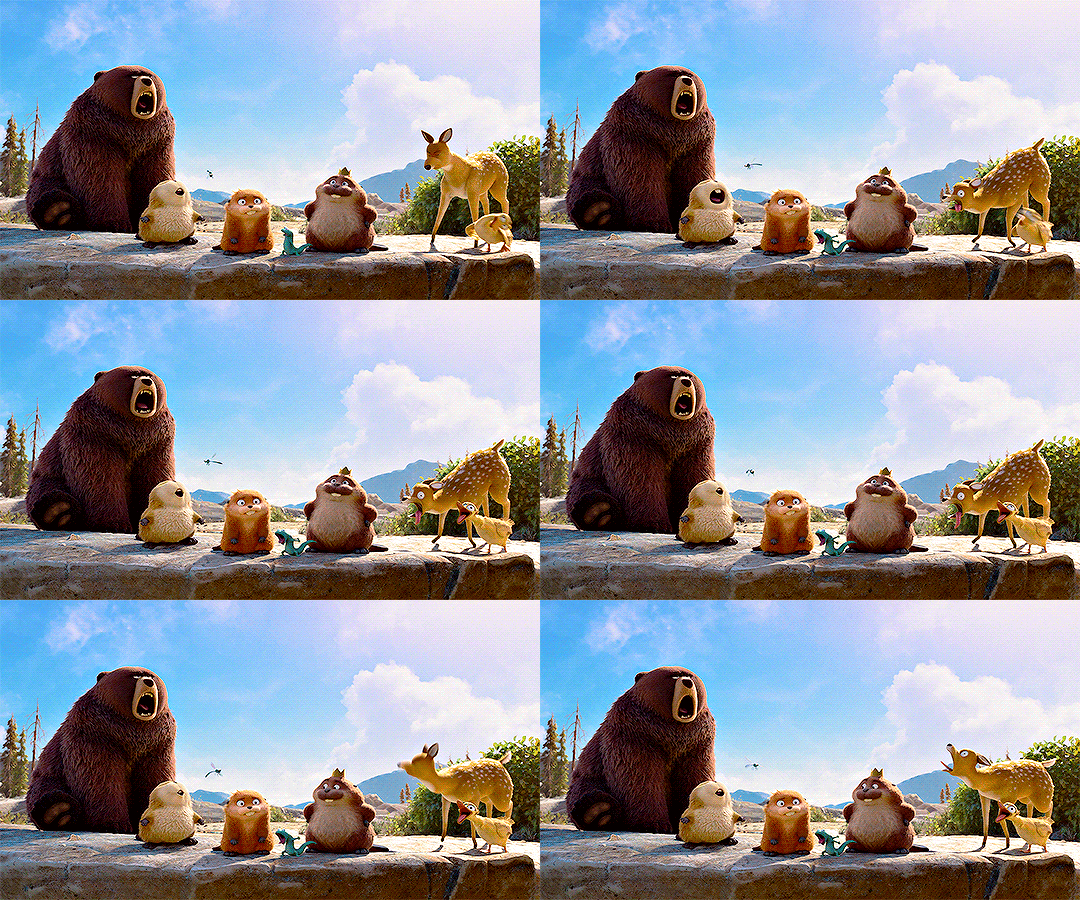
Hoppers is Pixar’s 2026 film about a girl named Mabel who hops her consciousness into a robotic beaver to save a glade — a patch of wild forest that her grandmother taught her to sit still in and listen to.
The glade is threatened by a highway overpass. Mayor Jerry wants to run a beltway straight through it. The whole plot is structured around the fight to stop the bridge. But here is what stayed with me after the credits: the bridge was never really the problem.
The glade was already fading before the highway was announced. The beavers had been driven out. The birds had thinned. The pond was shrinking. Mabel’s grandmother was gone. The place she called home was already losing what made it home — not just because a bridge was coming, but because nobody had been tending to it. The highway just made the loss visible. It gave the decay a name, a villain, and a deadline.
And this was the part that stood out for me the most: stopping the bridge didn’t save the glade. Even in the film, what saved it wasn’t the protest — it was the beavers coming back. It was the dam being rebuilt. It was the structure that holds water, holds life, holds the pattern in place. The bridge got rerouted, yes. But the glade survived because something was built worth keeping.
What if the bridge isn’t the problem? What if the problem is that we never build anything actually worth slowing down for?
This is Siosi’s Substack – a newsletter where technical architecture meets founder intuition and deeper inquiry.
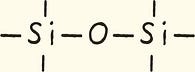
Human consciousness is becoming the next tech frontier. So I’m documenting how I intend to defend it, using the wisdom of Siloxane (Si-O-Si).
If you sense what’s coming too, and want to follow my mission of training 144,000 conscious technologists by 2030, join me.
To follow the formal movement, join our Conscious Technologist Substack. For deeper source signals from me across — Siloxane, civilizational consciousness, cultural myth, memory chips, market analysis, the making of a new school of thought, and more — read on.
What my last essay missed
My last essay named the “toxic bridge” — liquid mercury: conduct without filter, speed without retention. That part is right.
The Hoppers insight completes it. The problem isn’t just that we’re conducting too much. The problem is that most of us have no structure for what AI is pushing out of us, to properly hold what we conduct. We’re running a bridge to nowhere. Signal comes in. Signal goes out. But what’s the real cost?

A nutrition coach I know described it perfectly. She helps her clients eat consciously — slow down, notice, choose. But when she opens her laptop, she feels like she’s pulled to do the opposite. The tools and algorithms set the pace. She tries to conduct, but may struggle to filter or hold. She is not failing. She is running the only mode her tools were designed for. And she, like many others, has no conscious dam.
That’s the bit I missed. The Mercury essay said: you’re in the wrong mode. The Hoppers insight says: you also have no conscious structure to move into.
The question for you
Last week I shared a framework — three bridges, three modes — for naming which mode you’re in. I won’t re-present it here. If you read it, you know it. If you didn’t, the archive link is below.
Instead, have a think about this:
What have you been conducting within yourself, that has nowhere to go? Or is leading to nowhere, of your own intention or design?
Not: what should you stop doing. Not: what tool should you add. The deeper question: what is the dam you haven’t built — the structure that would hold what’s already flowing intentionally through you?
If that question lands differently than last week’s, the next section is for you.
Until next week,
— Siosi
For free subscribers, this is where the essay ends. If the bridge story resonated — or if you recognized yourself in the nutrition coach — the 10-minute practice for finding your missing column is below for premium members. And if you want me to look at your bridge with you — to see exactly where the signal is leaking — book a Stack Audit. One hour. We map the fracture together.


